ENS Contributes to International Cooperation Among Nuclear Societies
The International Nuclear Societies Council (INSC) brings together nuclear societies from different regions of the world, providing a platform for international cooperation and the exchange of knowledge and experience. As a member of this network, the European Nuclear Society (ENS) contributes to strengthening connections between national nuclear communities and supporting dialogue on the role of nuclear science and technology in addressing shared challenges.
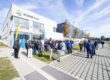
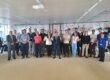
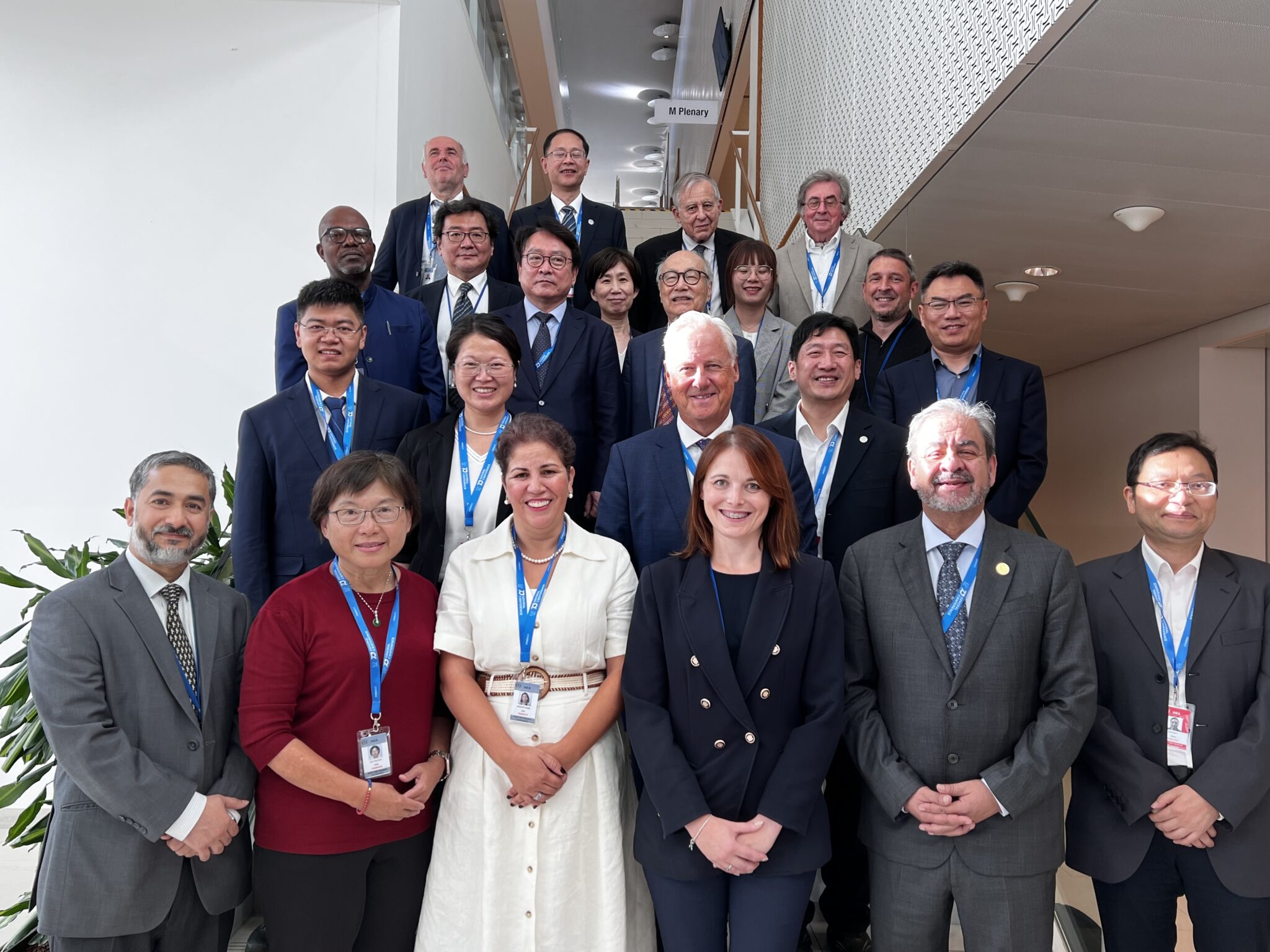
These objectives were at the heart of the INSC General Assembly and associated workshop held in Vienna in September 2026, alongside the 70th IAEA General Conference. The meetings brought together representatives of nuclear societies from across the world to discuss the Council’s development, strengthen international links and explore how nuclear societies can contribute to wider discussions on energy and climate.
-
A stronger international network
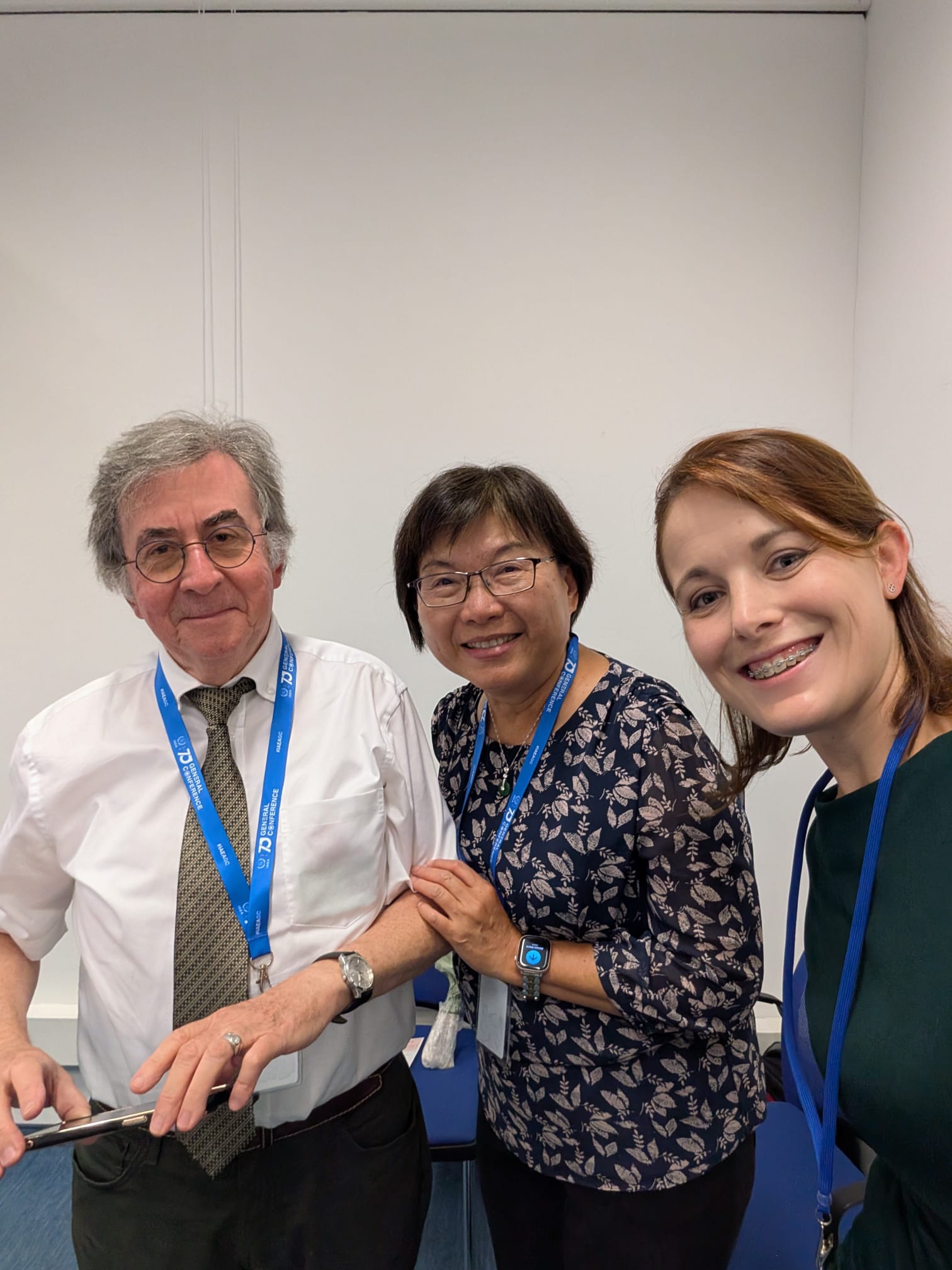
ENS was particularly well represented at this year’s meetings, with five participants from its Member Societies: Anna Talarowska (Polish Nuclear Society), Vladimir Slugen (Slovak Nuclear Society), Otmar Promper (Austrian Nuclear Society), Stefano Monti (Italian Nuclear Society) and Christian Legrain (Belgian Nuclear Society).
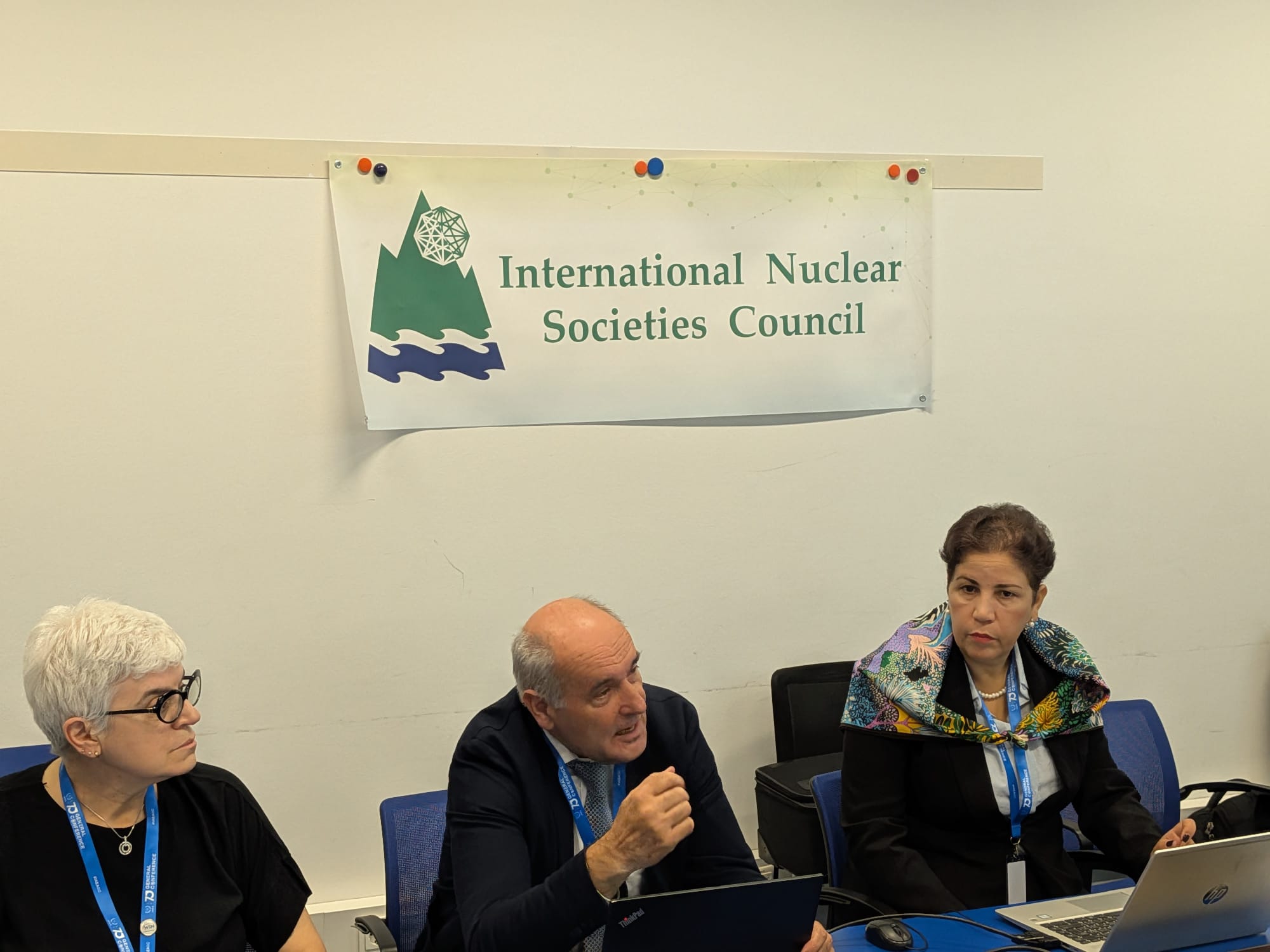
The General Assembly addressed several matters concerning the Council’s organisation and future development. One of the key discussions concerned the proposal to establish a new African region within INSC, with the aim of giving African national nuclear societies a more structured way to participate in the Council’s activities. Christian Legrain presented the proposal and helped lead the discussion, outlining the process and the steps needed to move it forward.
The General Assembly responded positively and asked the INSC Executive Committee to continue working on the proposal, with 1 January 2028 set as the target date. This timeframe would allow the African region to develop its organisation and establish the structures needed for participation in the Council. The discussion was an important step towards broadening INSC’s international representation and creating further opportunities for nuclear societies to exchange experience across regions.
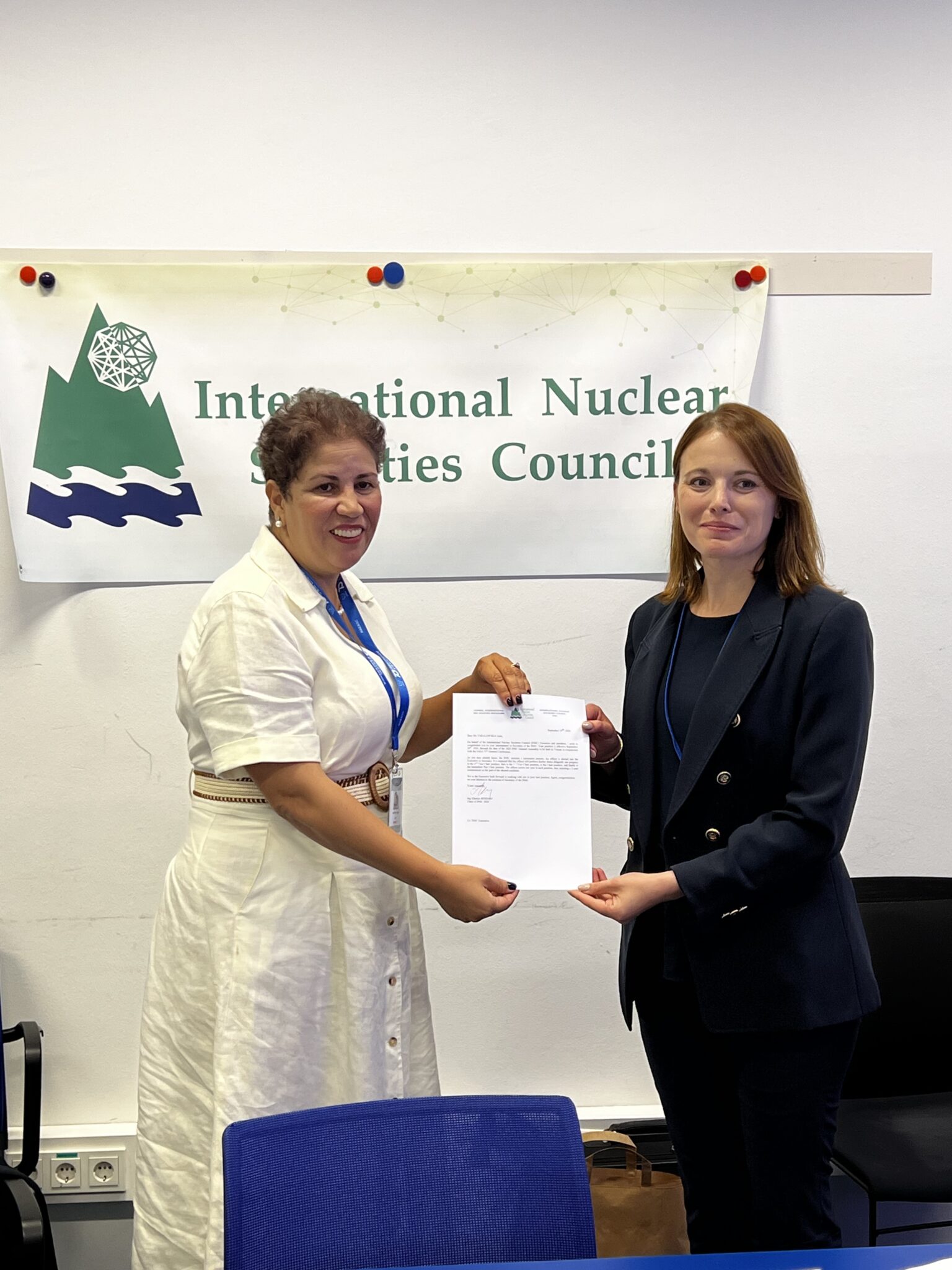
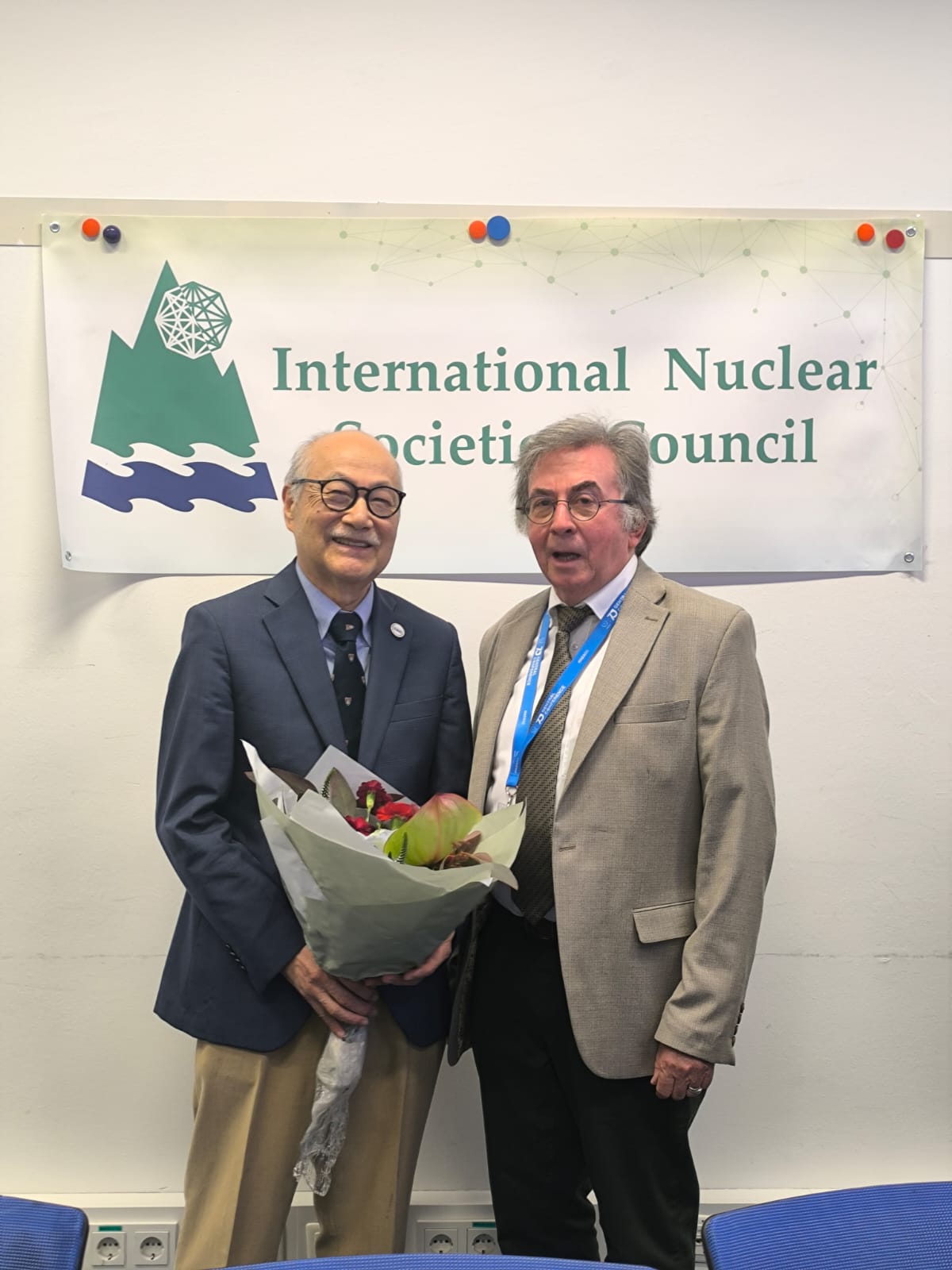
The meetings also brought changes to the Council’s leadership and organisation. Anna Talarowska was appointed INSC Secretary, entering the rotation of the Council’s Executive Committee. Tracy Luo (Taiwan) was appointed Chairwoman, succeeding Khadija Bendam (Morocco). In addition, the Assembly approved the membership of Kazakhstan’s national Nuclear Society, further expanding the network.
-
Nuclear societies, climate and energy security
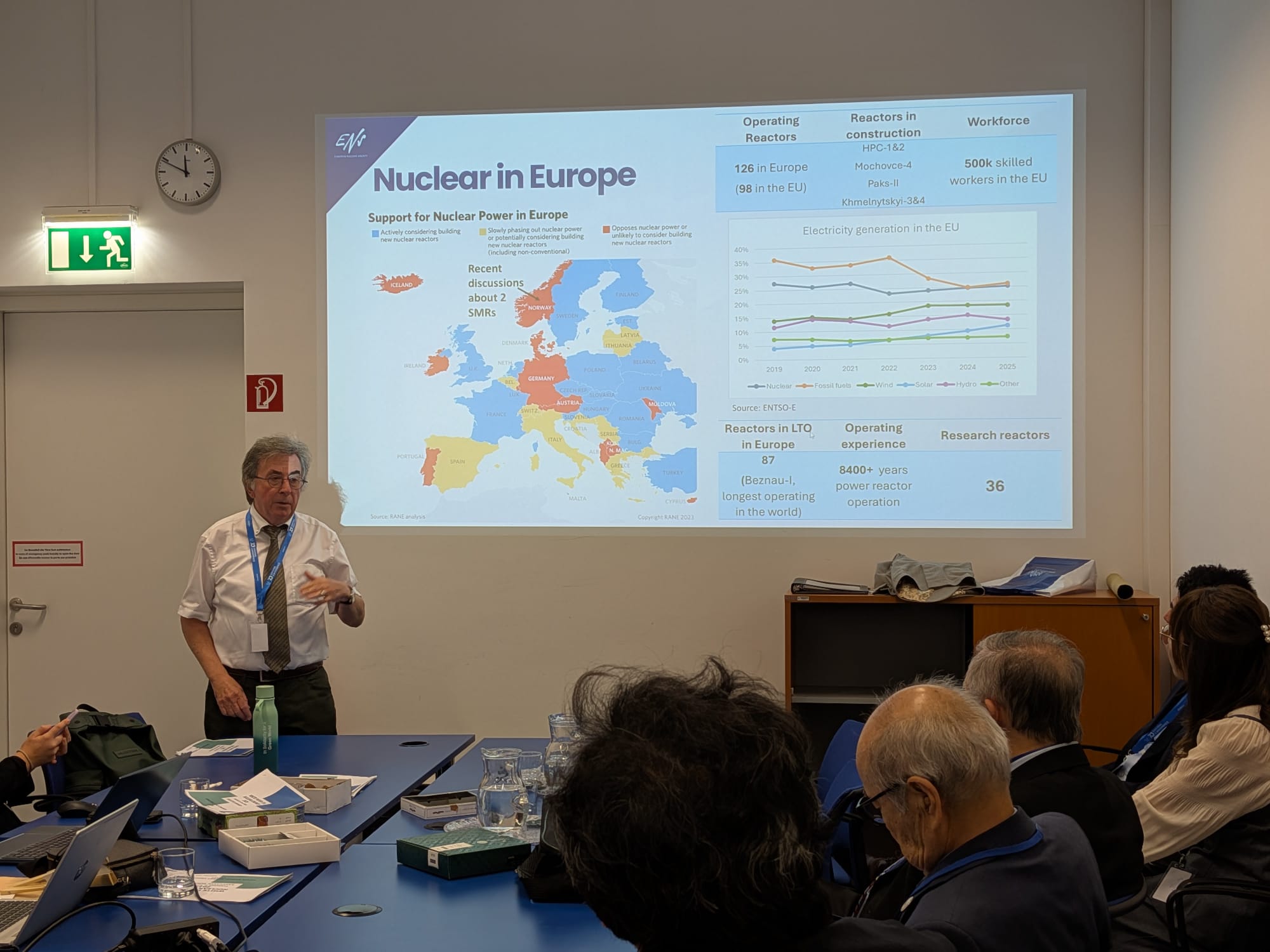
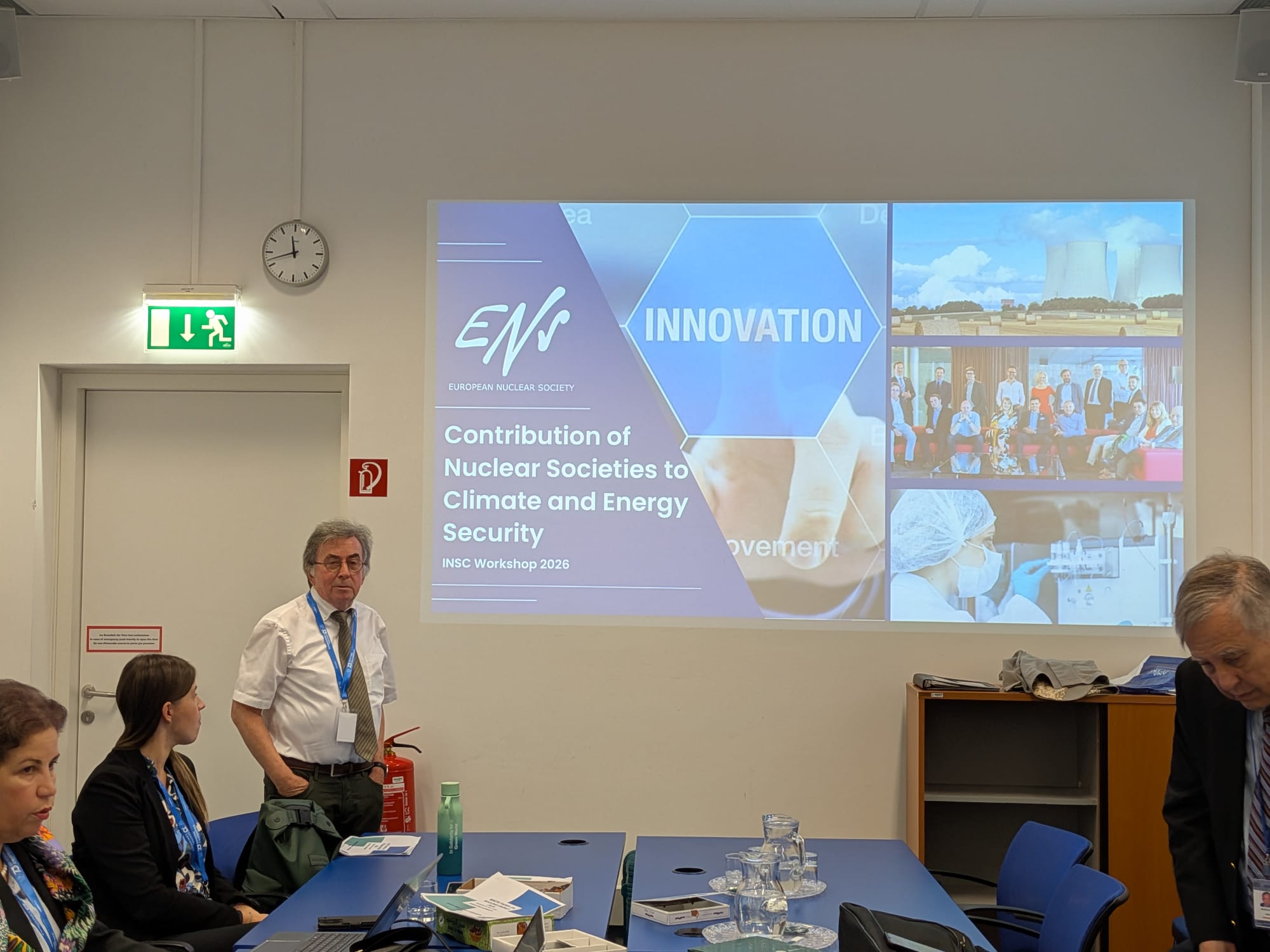
The General Assembly was accompanied by a workshop entitled “Contribution of Nuclear Societies to Climate and Energy Security”, providing an opportunity to discuss how nuclear societies can contribute to the wider debate on Europe’s energy and climate priorities.
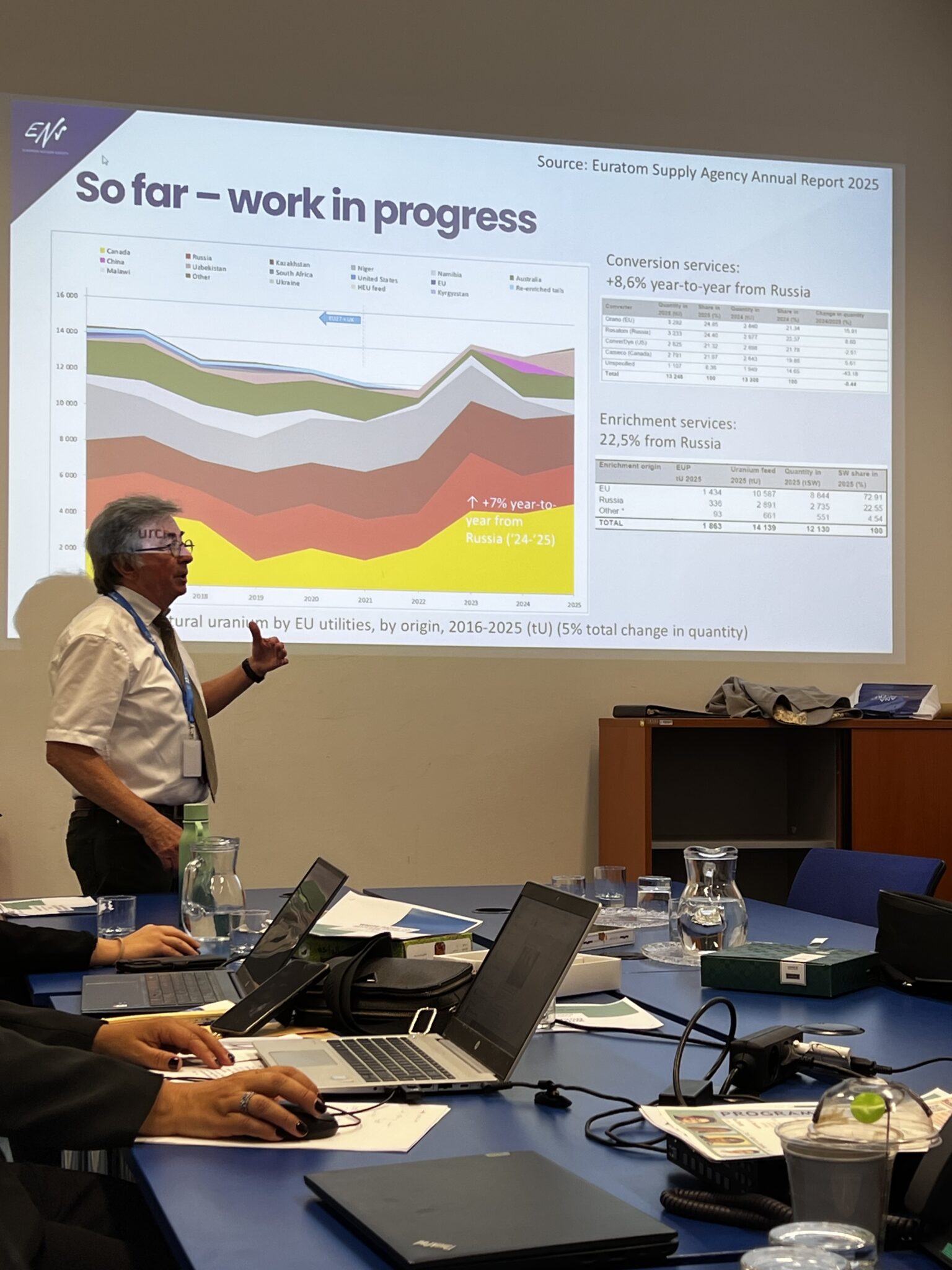
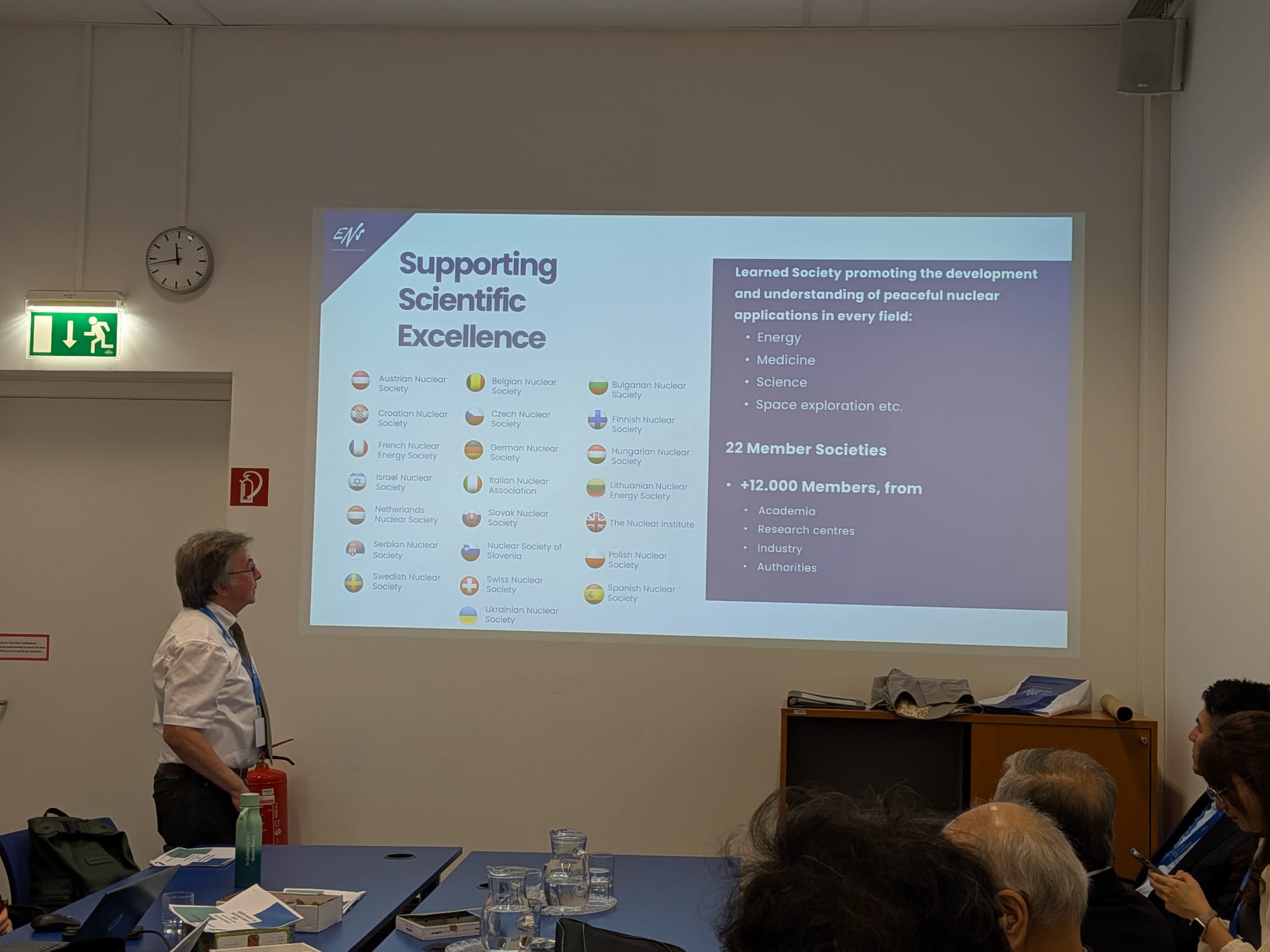
Representing ENS, Christian Legrain presented the European nuclear landscape and the role of nuclear energy in addressing these challenges. His presentation explored the links between nuclear energy and European climate policy, including the EU’s climate targets for 2040 and 2050, as well as the contribution of nuclear power and small modular reactors to Europe’s future energy mix. It also addressed energy security and strategic autonomy, with a focus on diversifying nuclear fuel supplies and developing European capabilities. The presentation also examined the practical challenges facing the sector, including the impact of climate change on nuclear power plant operations, and the importance of developing the future nuclear workforce, attracting young people to the sector and engaging with schools and the wider public. In this context, Christian presented ENS initiatives, including the work of the Young Generation Network, the Nuclear for Climate initiative and ENS’s activities to support education and public engagement.
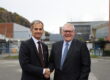
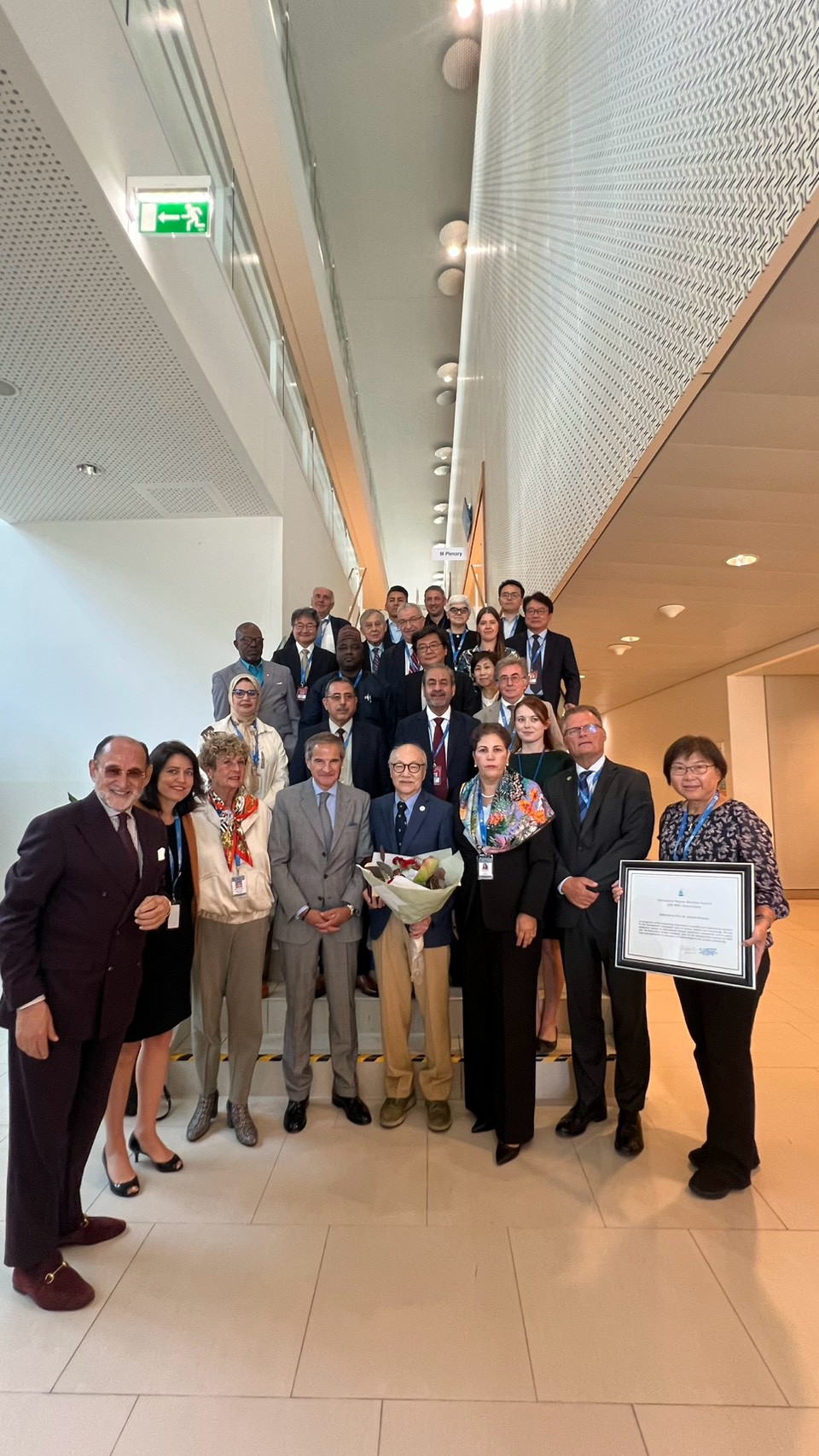
The programme also featured the presentation of the INSC Global Award 2026 to Professor Hisashi Ninokata. The ceremony was attended by IAEA Director General Rafael Mariano Grossi and brought together representatives of the international nuclear community.
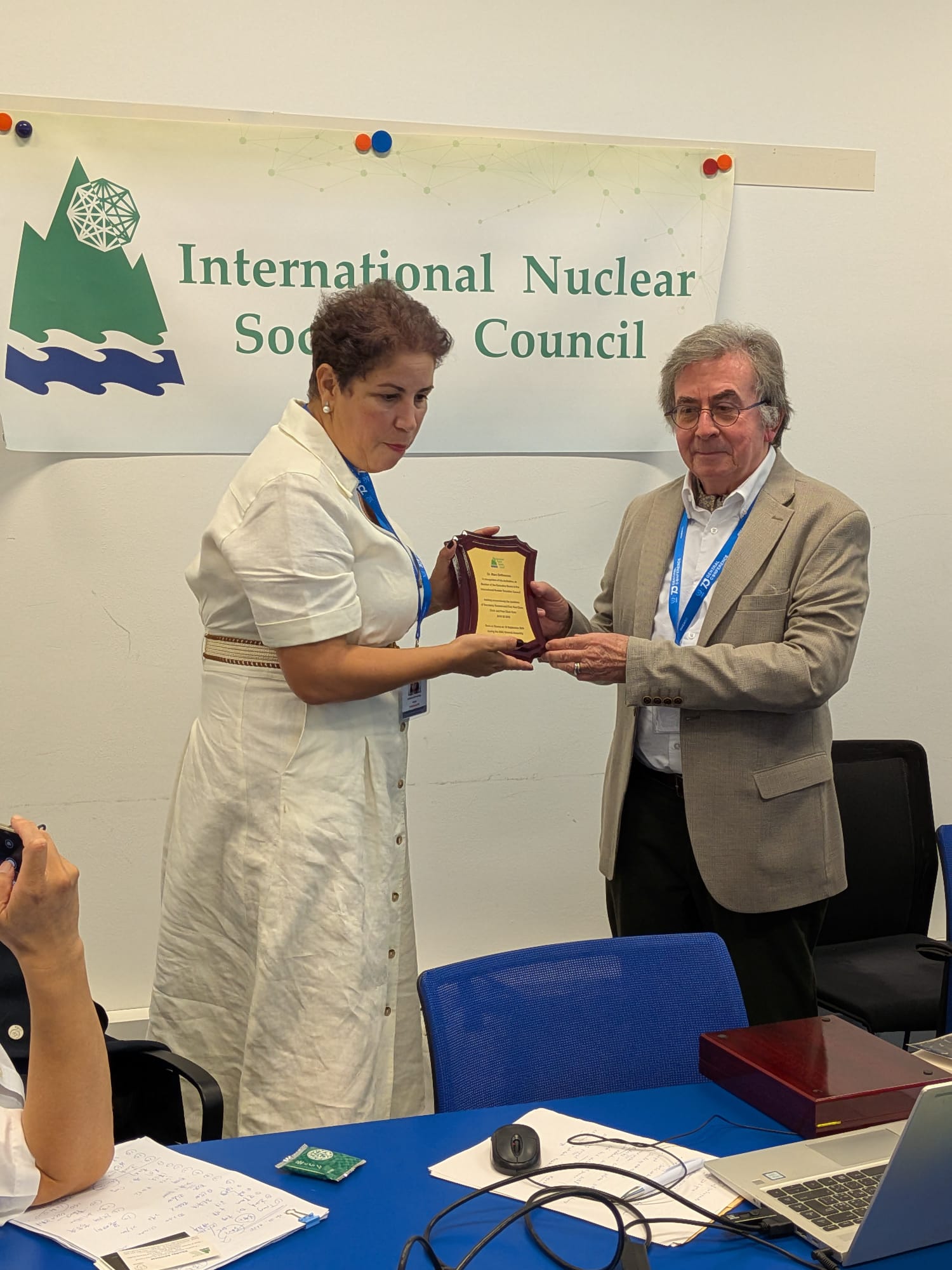
Alongside the formal programme, the meetings offered opportunities to exchange views with colleagues from different national societies and strengthen professional connections. The Assembly also acknowledged the work of Marc Defrennes, expressing appreciation for his contribution and wishing him a full recovery.
Through its participation in INSC and its contribution to discussions on the Council’s future development, ENS continues to support cooperation among nuclear societies worldwide. This international network provides a valuable space for sharing experience, strengthening relationships and ensuring that the perspectives of nuclear societies from different regions can contribute to the global conversation on nuclear science, energy and climate.